As a queer textile disruptor, I playfully invite touch, texture, sensory experience, pleasure and participation through fabric and fibre explorations. I create tactile assemblages and sensory interventions that encourage interaction rather than simply asking to be looked at, playfully invoking political discourse around queer identity and otherness.
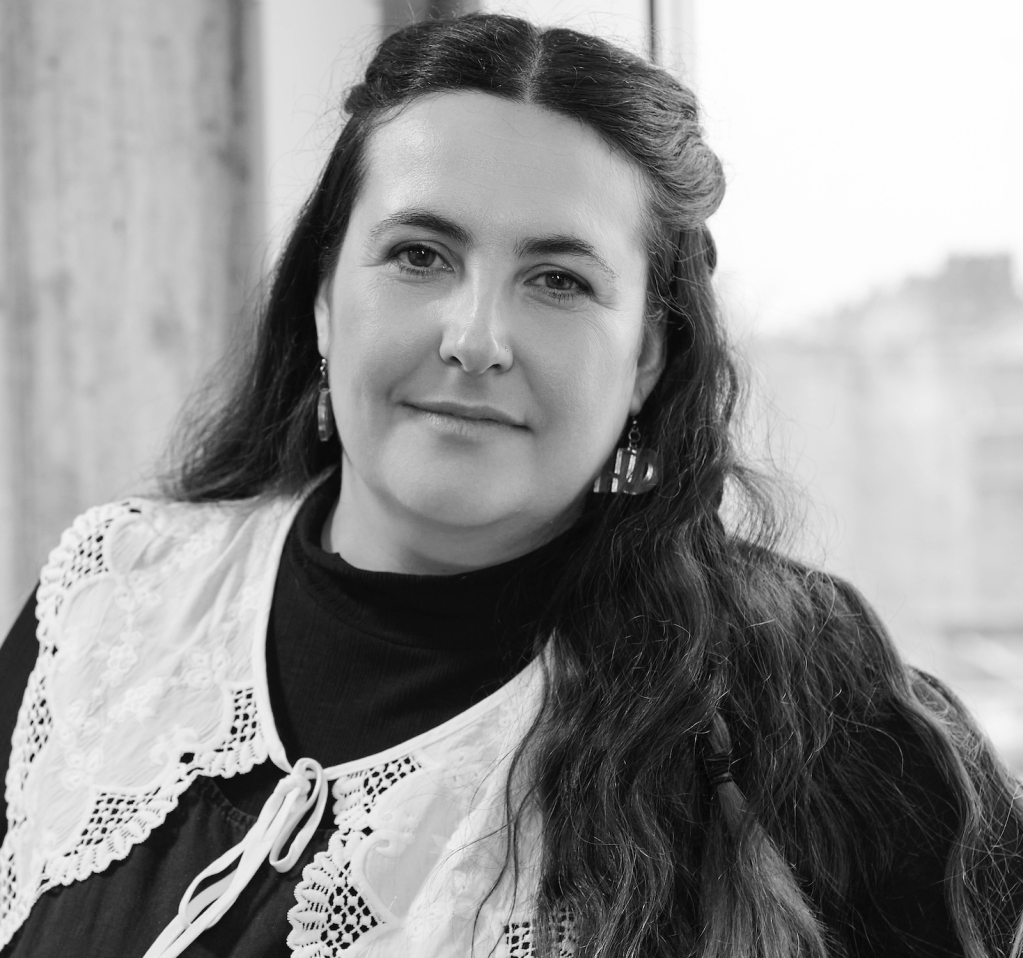
I experiment with and construct assemblages and participatory performance to camera, exploring how touch, repetition, movement, curiosity and play are legitimate ways of experiencing Fine Art, as well as reacting to institutionalised expectations and misconceptions around neurodiverse joy.
My practice is led by my own lived experience of autism spectrum disorder and ADHD stimming, short for self stimulatory behaviour, which means repeating physical movements, sounds, words, or the use of objects, and the ways in which repetitive sensory actions can create play, pleasure, regulation, connection, communication and dialogue. Exploring diverse and instinctive responses to materials through touch. Textile gives me a way to explore these actions through tactile ephemera that already carry associations of care, identity, queerness, offering possibilities for disruption and a form of Pleasure Activism (Adrienne Maree Brown, AK Press, 2019).
I encourage participation as a sensory experience, creating situations where people can explore and manipulate their own and future engagement. While touch is central to my work, it also explores sound and movement as both part of and participation with it. I empower adaptation, organic evolution, interaction, play and performance, making space for all of these responses and exploring what this means in non-hierarchical participatory terms.
My practice playfully challenges the conventions that surround Fine Art, particularly the expectation that artworks should be protected from touch and audiences should know how to behave around them. I disrupt these boundaries asking who gets to participate, how participation is defined, and what happens when pleasure becomes part of the artistic experience.
Ultimately, at the centre of my practice is joy as a political discourse. I explore Pleasure Activism as disabled resistance and as an opportunity to make space for sensory freedom, weirdness, play and collective enjoyment. I consider what happens when an artwork plays with the boundaries of how to behave, inviting exploration in physical form and in emotive response.
*Neuroqueer term coined by Nick Walker in Neuroqueer Heresies: Notes on the Neurodiversity Paradigm, Autistic Empowerment, and Postnormal Possibilities, Autonomous Press, 2015.
Image credit: Andrea Southam

